Many homeowners start an interior door project with one simple hope:
Can we just replace the doors and keep the existing frames?
The answer is sometimes yes.
If the existing jambs are straight, solid, properly fastened and in good condition, a new slab door may be fitted into the old opening. This can be a cleaner and less disruptive option than removing the jamb, casing and surrounding trim.
But it is not always the right answer.
A door is not just a slab of material. It has to work with the opening around it. The jamb, hinges, latch, casing, floor level, wall condition and old hardware locations all affect whether the new door will swing, close, latch and look right.
At Wood Job Finish Carpentry, this is one of the first things we look at before recommending interior door replacement. The goal is not only to install a new door. The goal is to make sure the finished opening works properly and feels like it belongs in the home.
What Does It Mean to Replace a Door Without Replacing the Frame?
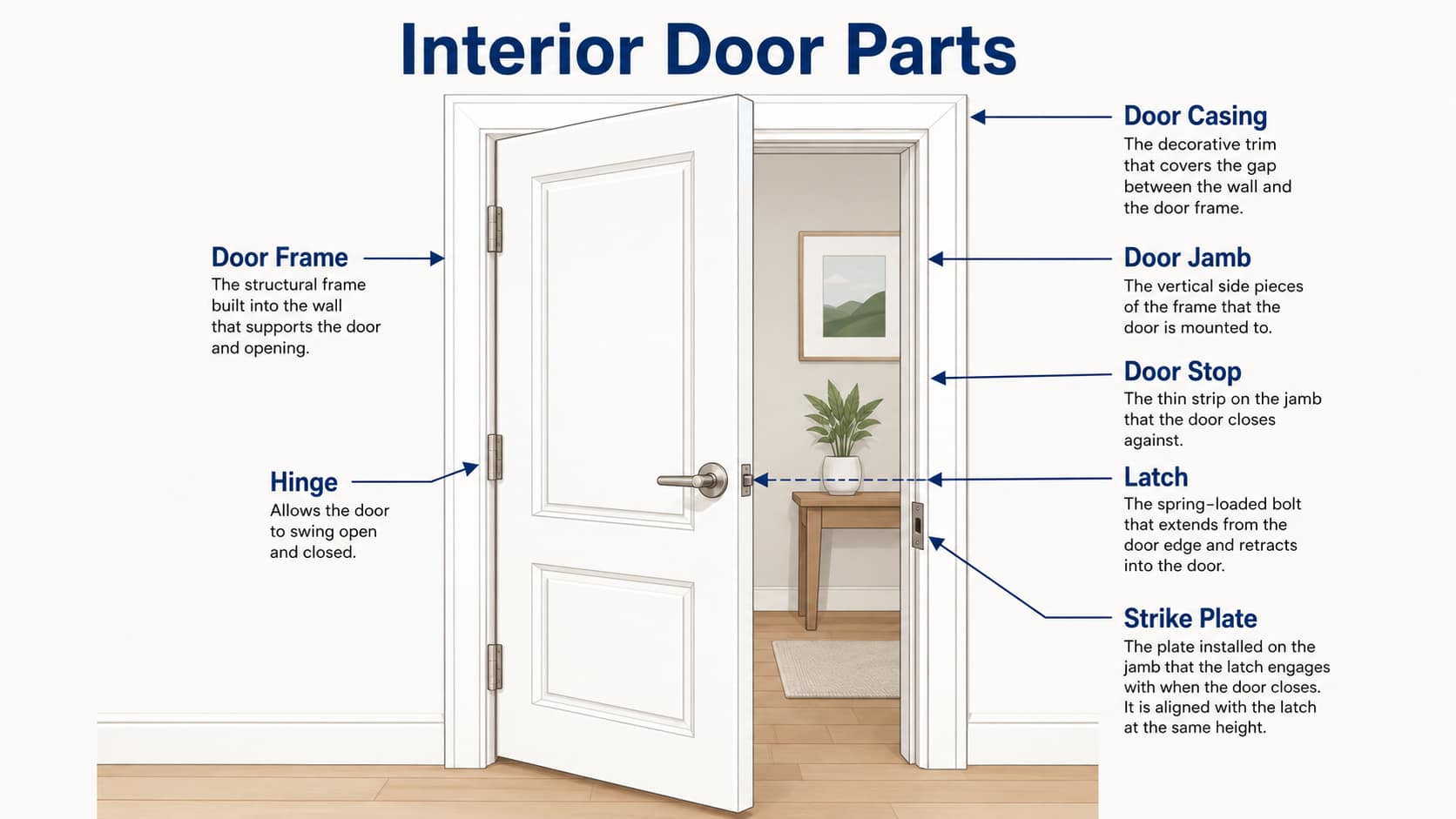
Replacing an interior door without replacing the frame usually means installing a new slab door into the existing jamb.
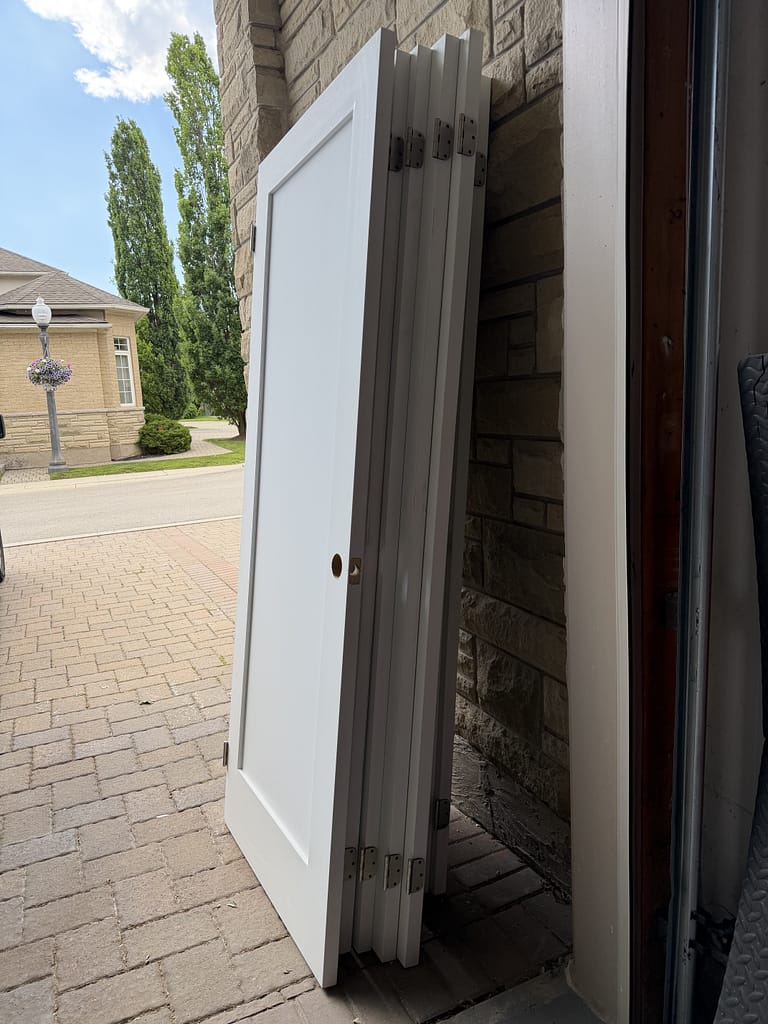
A slab door is just the door itself. It does not come attached to a new frame.
The existing jamb stays in place. The surrounding casing may also stay in place. The new door is measured, trimmed if needed, prepared for hinges, bored for the handle, fitted into the opening and adjusted so it works with the existing frame.
This can be a good option when the frame is worth keeping.
It can also reduce disturbance to painted walls, casing, baseboards and flooring around the opening.
But slab replacement requires careful fitting. The new door has to match an opening that may not be perfectly square anymore.
When Keeping the Existing Frame Can Work
Keeping the existing frame can work when the current jamb is in good shape.
That usually means the jamb is straight, secure, not twisted, not loose, not damaged and not heavily distorted by old paint or previous repairs. The door opening should also be close enough to square that the new slab can be fitted without creating major gaps or rubbing.
This option may make sense when the homeowner wants to update the door style but keep the surrounding trim.
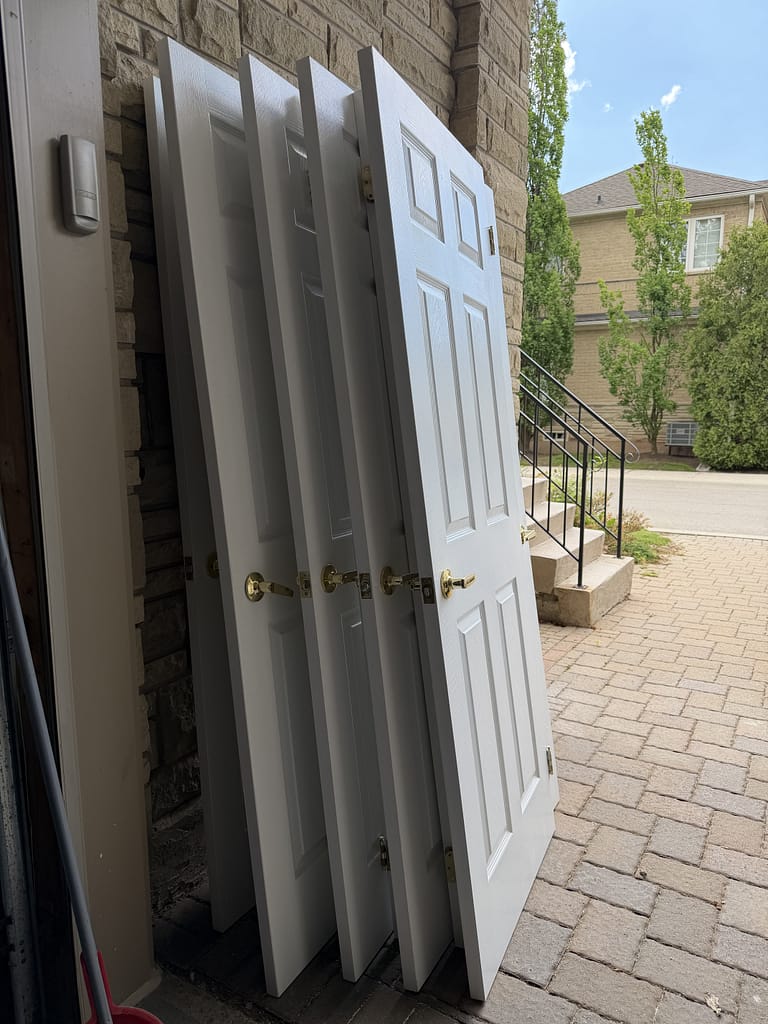
For example, a homeowner may want to replace older hollow-core six-panel doors with cleaner shaker-style doors while keeping the existing casing. If the frames are solid and the opening conditions are good, slab replacement may be the right path.
This is often less invasive than removing everything around the opening.
But the decision should be based on the condition of the real opening, not only the condition of the old door.
This becomes even more important when homeowners want to upgrade from hollow-core doors to heavier solid-core doors. A solid-core door can feel quieter and more substantial, but it also puts more demand on the existing jamb and hinges. Wood Job explains that decision in more detail here: Should You Replace Hollow-Core Interior Doors With Solid-Core Doors?
When the Frame Should Not Be Reused
Sometimes the old frame is the reason the old door never worked properly.
If the existing jamb is twisted, loose, damaged, poorly installed, out of square or badly painted over, a new slab door may not solve the problem. In fact, it may make the problem more obvious.
A heavier new door can expose weak jambs. A straighter new door can make an uneven frame easier to see. A new latch location may not work cleanly with an old strike plate. A modern door style may look strange beside old damaged casing.
The frame may need to be replaced or corrected when:
- the old door rubs because the jamb is out of alignment
- the latch does not meet the strike plate properly
- the frame is loose or moving
- the jamb is split, damaged or heavily repaired
- the casing is hiding rough drywall or poor framing
- the wall thickness does not match standard jamb material
- the new door is much heavier than the old one
- the homeowner wants a cleaner finished opening, not just a new slab
In those situations, keeping the old frame may save money at first but create a weaker result.
A new jamb, prehung door or custom jamb solution may be the better long-term answer.
Slab Door Replacement vs Prehung Door Installation
This is where many homeowners get confused.
A slab door is only the door. It has to be fitted into the existing opening.
A prehung door comes already attached to a new jamb. The old door and frame are usually removed, and the new unit is installed into the rough opening.
Neither option is automatically better.
A slab door may be better when the existing frame is solid and the homeowner wants to avoid disturbing the casing, drywall and paint around the opening.
A prehung door may be better when the existing jamb is damaged, out of plumb, poorly installed, weak or not worth saving.
But even a prehung door still needs proper installation. It has to be shimmed, leveled, fastened, adjusted and finished with casing. If the rough opening, floor or wall condition is not right, the prehung unit still needs careful work.
The right choice depends on the opening.
That is why a good interior door installation starts with checking the frame, not just choosing a door from a catalogue.
For the main service page, see Interior Door Installation.
Existing Hinges and Hardware May Not Line Up
One of the biggest challenges with slab door replacement is matching the new door to the existing hinge and latch locations.
The hinge mortises on the new door have to be placed correctly. The handle bore has to line up with the strike plate. The door edge has to meet the jamb cleanly. The reveal around the door has to look balanced.
If the old hinges are slightly off, the new door may rub.
If the latch location does not line up, the door may not close properly.
If the old frame is not square, the new slab may need careful trimming and fitting.
This is why replacing a slab door is not always a simple swap. It may look simple from the outside, but small measurements decide whether the door works every day.
Solid-Core Doors Need Extra Attention
Many homeowners replace hollow-core builder-grade doors with solid-core doors because they want a better feel, a quieter room and a more finished interior.
That can be a good upgrade.
But solid-core doors are heavier.
The extra weight matters. The hinges, screws, jamb and fastening points all need to support the new door properly. A weak or twisted old jamb may have been acceptable with a lightweight hollow-core door, but a heavier solid-core door can make the weakness more visible.
A solid-core door may also need a different hinge setup depending on the size and weight of the door.
This is one reason we do not answer the frame question blindly.
The existing jamb has to be good enough for the new door, not just good enough for the old one.
For more on this topic, see Should You Replace Hollow-Core Interior Doors With Solid-Core Doors?
What About the Casing?
Casing is the trim around the door opening.
Sometimes casing can stay. Sometimes replacing it gives a better finished result.
If the casing is clean, solid, properly installed and still matches the home, there may be no reason to remove it. Keeping the casing can reduce wall repairs and keep the project simpler.
But if the casing is damaged, narrow, heavily painted, poorly fitted or outdated, the new door may look unfinished beside it.
This happens often in renovations.
A homeowner updates the door but keeps old casing. The door looks better, but the opening still feels dated. In some homes, replacing the casing at the same time makes the whole doorway feel more complete.
Door replacement should be looked at as a finished opening:
- door
- jamb
- hinges
- latch
- hardware
- casing
- baseboard connection
- floor clearance
- paint and finishing
If only one part changes, the rest of the opening still affects the final result.
For related trim work, see Finish Trim Carpentry.
Older Homes and Renovations Need Careful Checking
In older homes and renovated homes, door openings can be unpredictable.
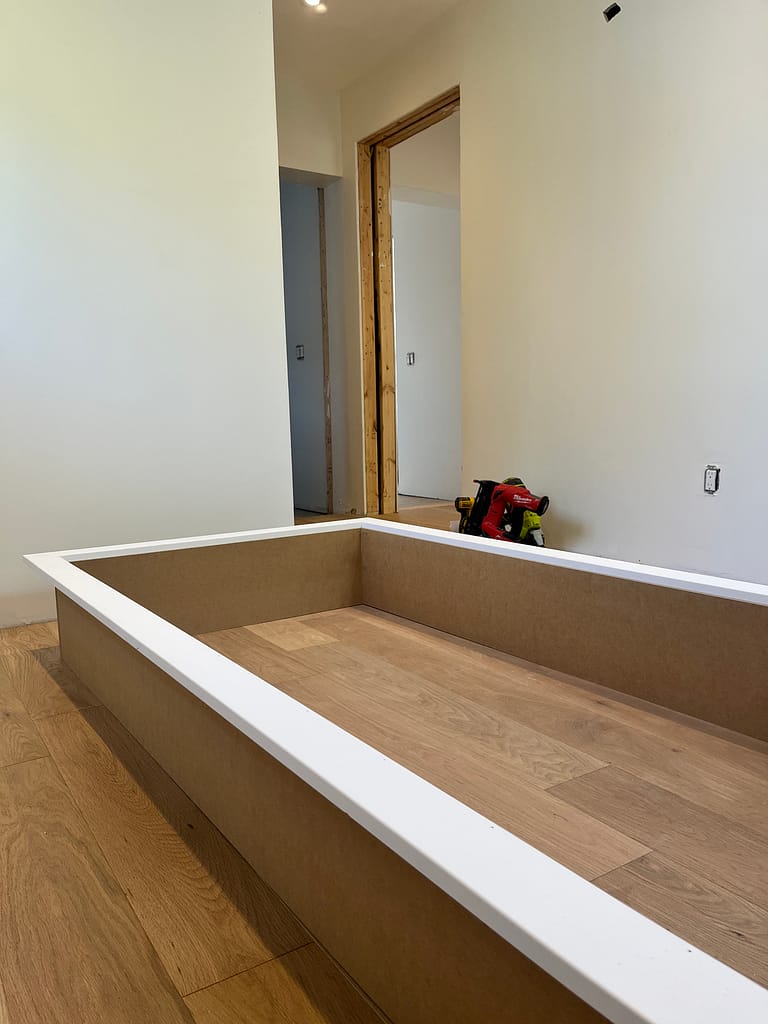
Walls may have moved. Floors may not be level. Old paint may have built up on the jambs. Previous renovations may have changed the flooring height. Drywall may not sit flat around the opening. A previous installer may have forced trim to hide problems.
In these situations, replacing the door without replacing the frame can still be possible, but it needs to be checked carefully.
The question is not only:
Can a new door physically fit here?
The better question is:
Will this door work properly and look clean after it is installed?
That is the difference between a quick replacement and proper finish carpentry.
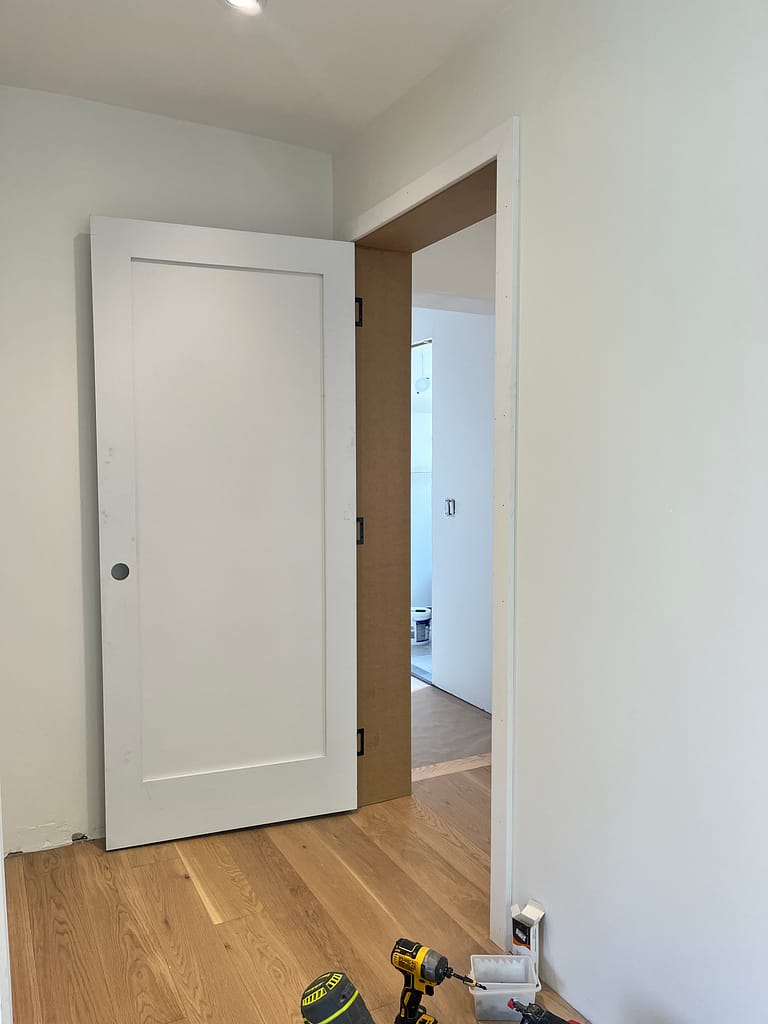
Builder-Grade Homes and Subdivision Doors
In many newer homes, especially in areas like Milton, Mississauga, Oakville, Burlington and Cambridge, homeowners often want to replace basic builder-grade hollow-core doors.
These doors may be lightweight, plain and easy to dent. The casing may be narrow. The jambs may be standard builder material. The home may still be fairly new, but the doors can make the interior feel unfinished.
In some of these homes, slab replacement can work well if the frames are clean and consistent.
In others, the homeowner may want a more complete upgrade with new solid-core doors, casing and hardware.
Milton homes are a good example. Many are clean family homes, but the original interior door package may still feel basic. In that case, the best plan depends on whether the existing frames are worth keeping.
For city-specific information, see Interior Door Installation in Milton.
Condo and Townhome Door Replacement
Condos and townhomes can have their own door replacement challenges.
Access, parking, elevators, noise rules, limited working space and building restrictions may affect the project. Some openings may be standard. Others may have metal frames, unusual wall conditions or old trim that is difficult to disturb.
In Mississauga condos and townhomes, for example, the right approach may depend on whether the project is one door, several bedroom doors, sliding door replacement, closet doors or a larger interior door package.
If keeping the frame avoids unnecessary wall disturbance, slab replacement may be useful.
But if the existing jamb or opening is the problem, the project should not be forced into a slab-only solution.
For city-specific information, see Interior Door Installation in Mississauga.
Custom Homes and More Detailed Interiors
In custom homes or more detailed renovations, the expectations are usually higher.
A small uneven reveal may be more noticeable. Casing may be wider. Doors may be heavier. Trim details may need to line up with baseboards, crown moulding, wall panels or flooring transitions.
In these homes, the question is not only whether the frame can be reused.
The question is whether reusing it supports the level of finish expected in the room.
If the old frame is clean and well-installed, keeping it may be fine. If it weakens the finished look, replacing or correcting the jamb may be better.
For Cambridge homeowners, this matters because the city has both older homes and newer custom builds. Some openings need correction. Others need clean installation that fits a more detailed interior.
For city-specific information, see Interior Door Installation in Cambridge.
Real Oakville Example: Door Replacement Without a Full Renovation
Wood Job Finish Carpentry completed an Oakville project for Jim where older six-panel interior doors were replaced with cleaner raised two-panel doors.
The goal was not to turn the home into a major renovation. The goal was to update visible interior doors in a practical way.
Each door had to be measured, prepared and fitted carefully so the new doors worked with the existing openings.
After that project, Jim invited Wood Job back for a second phase of work: crown moulding on the second floor.
That is a good example of how interior door replacement can improve the feel of a home without opening up a larger renovation, when the existing conditions allow for that approach.
For Oakville service information, see Interior Door Installation in Oakville.
You can read the full story here:
When Photos Are Enough and When a Site Visit Helps
For some interior door projects, clear photos are enough to start a rough conversation.
For others, a site visit may be needed before giving a confident answer.
Photos can show the door style, casing, hinges, handle, jamb condition and general room context. But photos may not show whether the jamb is twisted, whether the frame is loose, whether the floor is high on one side or whether the wall is out of plumb.
A site visit can help confirm:
- whether the existing frame is worth keeping
- whether the door opening is square enough
- whether the casing should stay or be replaced
- whether solid-core doors will need stronger hinge support
- whether the latch and strike plate can line up cleanly
- whether a slab door, prehung door or custom jamb makes more sense
This is especially important when the project includes multiple doors.
One good opening does not mean every opening in the home is the same.
What Should You Check Before Ordering New Doors?
Before ordering interior doors, check the opening first.
The most common mistake is choosing new doors before knowing whether the existing frames can work with them.
Look at how the current door behaves. Does it rub? Does it latch? Does it swing open by itself? Are the gaps uneven? Is the casing loose? Does the jamb move when the door closes? Is the floor higher on one side?
Also look at the style of the door and trim together.
A new shaker door may look better, but will the old casing still match? Will the hardware line up? Will the new door be heavier than the old one? Will the project need painting after installation?
A door project is easier when these questions are asked before material is ordered.
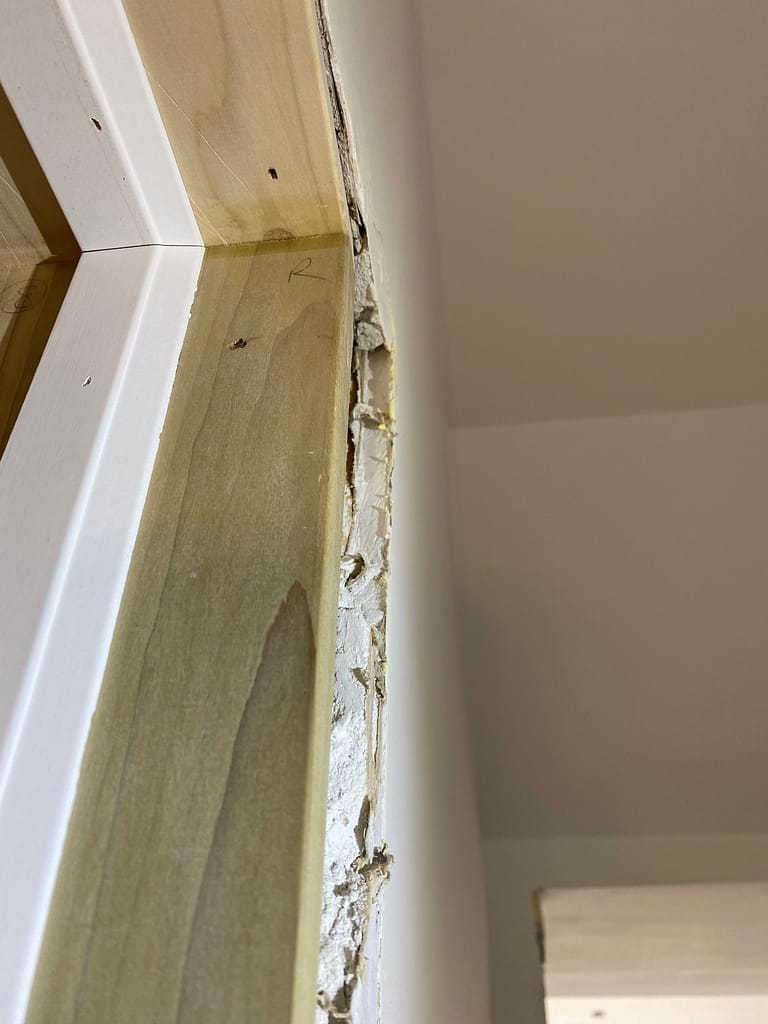
What Should You Send for an Estimate?
If you want to know whether your interior doors can be replaced without replacing the frames, clear photos are the best starting point.
Send photos of each door from both sides.
Include close-up photos of the hinges, latch, strike plate, casing, bottom clearance and any gaps or rubbing areas.
It also helps to include the number of doors, approximate door sizes if you know them, your project city and whether you want hollow-core doors, solid-core doors, shaker doors, glass doors or another style.
If a door does not close properly, a short video can help.
The more clearly the opening can be seen, the easier it is to explain whether slab replacement may work or whether the frame, jamb or casing should also be considered.
Owner-Led Interior Door Replacement
Wood Job Finish Carpentry is owner-led by Jack Cenk Ozer.
That matters with interior door replacement because the important decisions happen at the opening.
A door may need trimming. A hinge may need adjustment. A latch may not line up. A jamb may need correction. Casing may need to be replaced. A solid-core door may need better support.
These are not details to pass down a chain.
The person reviewing the opening should understand how the final door will look and work after installation.
Wood Job provides owner-led interior door installation and replacement across Oakville, Milton, Burlington, Mississauga, Cambridge, Guelph, Kitchener, Hamilton, Vaughan, Toronto and surrounding areas.
If you are planning a door replacement project, start with photos. Wood Job can review the details and help you understand whether keeping the existing frame is realistic.
For more information, visit Interior Door Installation.
Interior Door Replacement Questions
Can you replace an interior door without replacing the frame?
Yes, sometimes. If the existing jamb is straight, solid, secure and in good condition, a new slab door may be fitted into the old frame. If the jamb is damaged, twisted, loose or out of square, replacing or correcting the frame may be better.
What is a slab door replacement?
A slab door replacement means replacing only the door itself while keeping the existing frame or jamb. The new door still needs to be fitted, trimmed if needed, prepared for hinges and hardware, and adjusted to work with the existing opening.
Is slab door replacement cheaper than replacing the frame?
It can be less expensive and less disruptive when the existing frame is in good condition. But if the frame is causing the problem, slab replacement may not solve it. The right option depends on the actual opening.
Do I need new casing when replacing interior doors?
Not always. Existing casing can sometimes stay if it is clean, solid and fits the new door plan. If the casing is damaged, narrow, heavily painted or does not sit cleanly, replacing it may give a better finished result.
Can hollow-core doors be replaced with solid-core doors in the same frame?
Sometimes, but the existing jamb and hinges need to be checked carefully. Solid-core doors are heavier than hollow-core doors, so weak jambs or poor hinge support can become a problem.
Should I buy slab doors or prehung doors?
Slab doors may work when the existing frame is good. Prehung doors may be better when the old jamb is damaged, out of plumb, loose or not worth keeping. The best choice depends on the condition of the opening.
What photos should I send before asking for an estimate?
Send photos of both sides of each door, the hinges, latch, strike plate, casing, bottom clearance and any gaps, rubbing or damage. Include the number of doors, your project city and whether you want slab doors, prehung doors or solid-core doors.