
The best time to call a finish carpenter is not after the doors and trim have already arrived.
It is earlier.
For contractors, builders and renovators, the right time to involve a finish carpenter is usually after framing is complete and before drywall starts.
That may sound early.
But for interior doors, casing, jambs, trim and baseboards, this is often the stage where small mistakes can still be corrected without turning into delays, extra cost or awkward site conversations later.
Once drywall is installed, taped, primed, flooring is finished and the doors are ordered, many problems become harder to fix.
Sometimes they become very expensive.
★★★★★
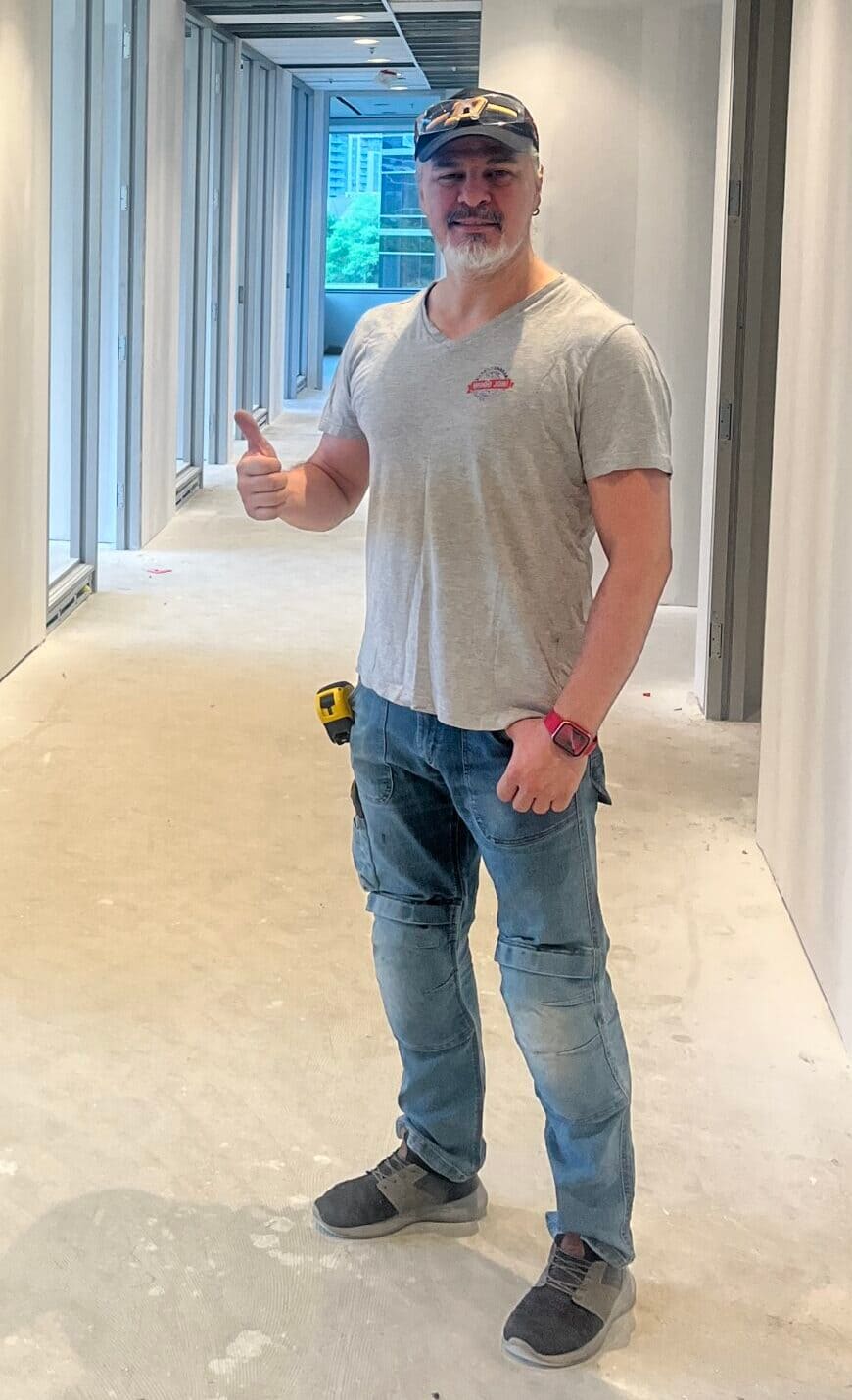
76 Google Reviews.
Earned One Job at a Time.
Real projects. Real homes. Real customers.
Wood Job Finish Carpentry has earned trust from contractors and builders across Oakville, Milton, Halton Region, Waterloo Region, and the GTA.
Many clients mention the same things: clean work, clear communication, reliability, careful fitting, and the ability to solve problems when the home does not give perfect conditions.
Door Openings Should Be Checked Before Drywall
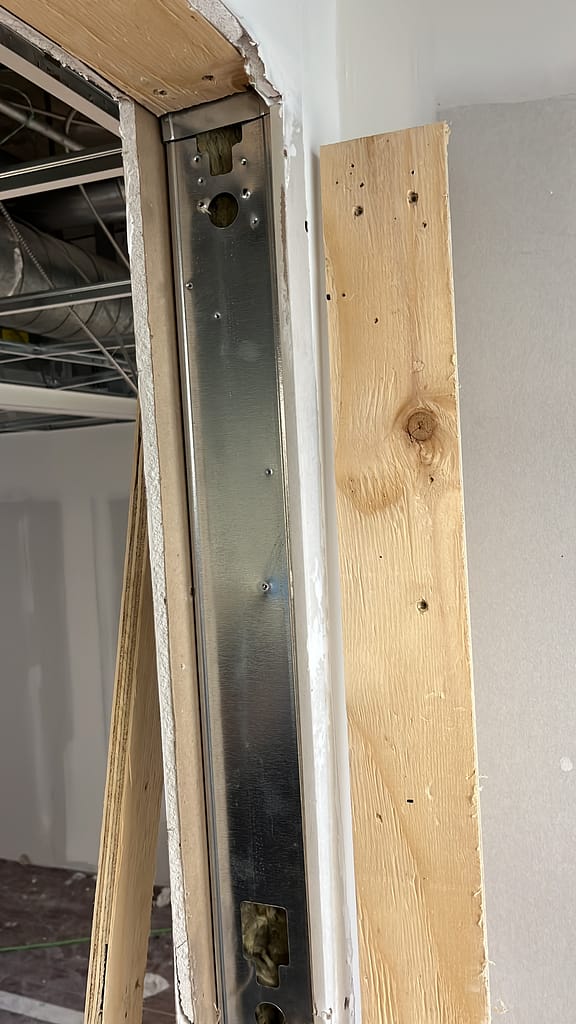
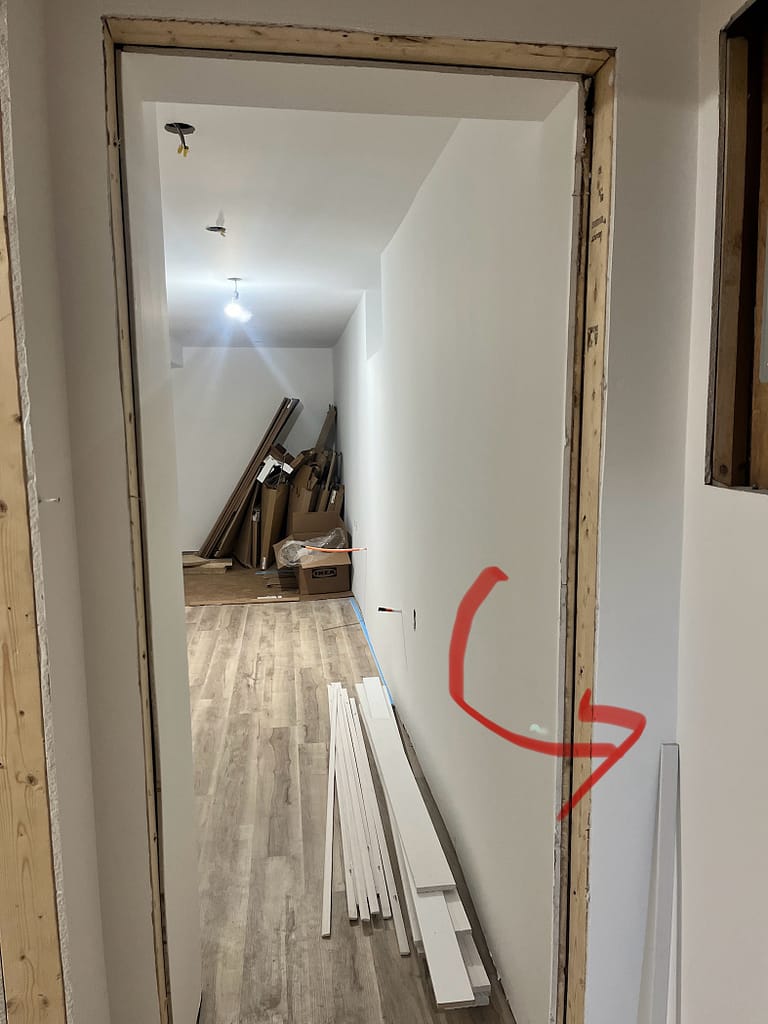
Interior door installation depends on the rough opening.
On paper, this sounds simple. A door opening is supposed to be framed with enough extra width and height for the door, jamb, shims and adjustment. We call it “at LEAST 2 inches”. Bigger? No problem, the casing will cover. But what if it’s less?
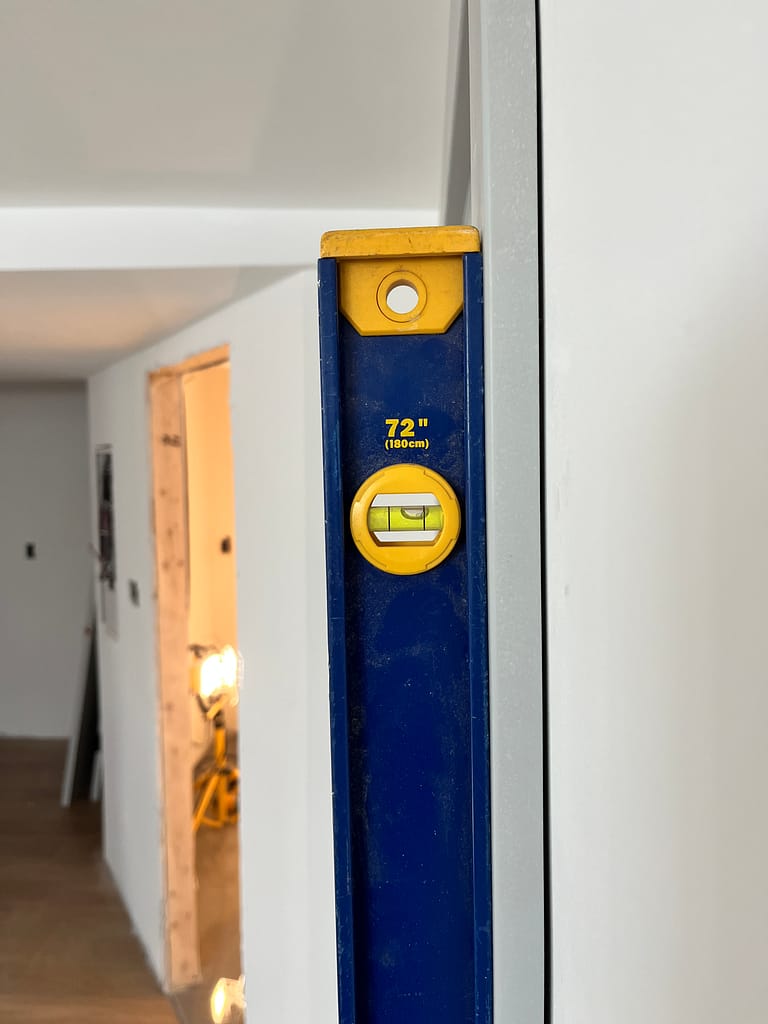
Studs can twist. Framing can move. Rough openings may not be consistent from room to room. One opening may be close to the right size. Another may be too tight. Another may be wide at the bottom and tight at the top.
A 32-inch door opening that should have enough room for proper installation of 30-inch wide door may end up at 31-1/2 inches, 31-1/4 inches or even tighter in places.
That small difference matters.
If the opening is too narrow, the door can not fit properly. If the opening is out of plumb, the jamb may have to be forced. If the header height is wrong, the finished door may create problems with flooring, casing or reveal lines.
The right time to catch these issues is before drywall covers the framing.
Why Waiting Too Long Creates Problems
Many contractors call the finish carpenter when the project looks almost ready for finishing.
Drywall is done.
Taping is done.
Primer may already be on the walls.
Flooring may be installed.
Doors, jambs and trim may already be ordered.
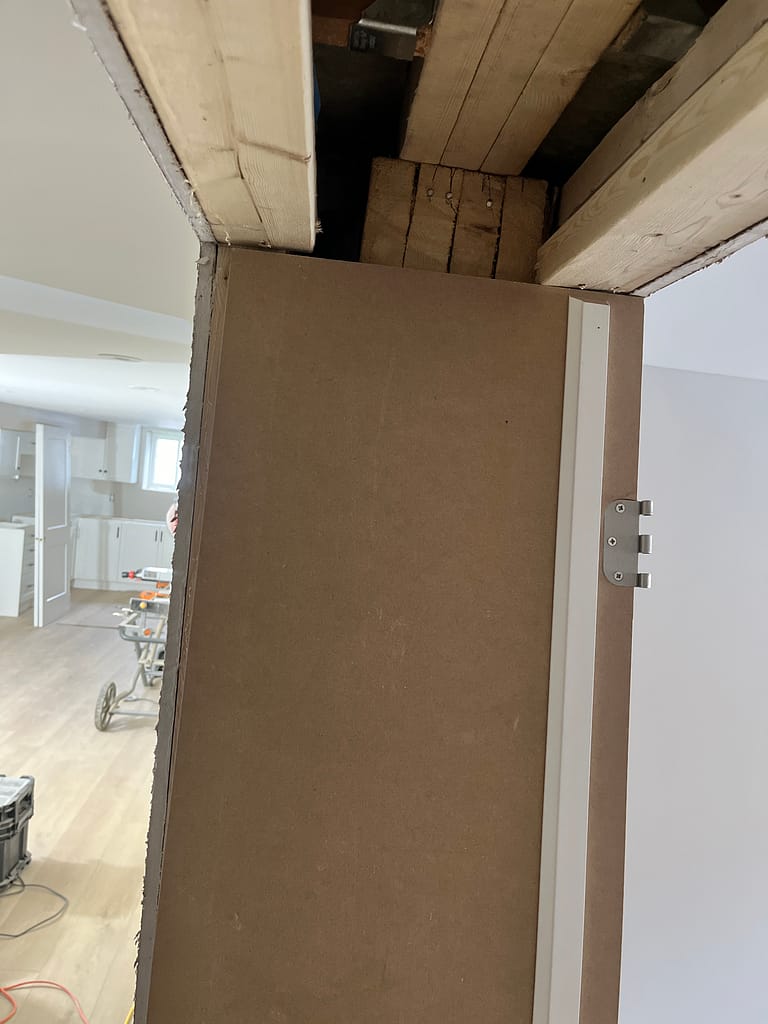
At that point, the finish carpenter walks in and sees the problem immediately.
The openings are not consistent.
The jambs do not match the wall thickness.
Some rough openings are too tight.
Some walls are not ready for standard casing.
The ordered materials may not fit the actual site condition.
Now the problem is not only technical.
It becomes a schedule problem.
The painter may already be booked. Flooring may already be finished. The homeowner may be expecting completion. The contractor may be trying to keep several trades moving.
A mistake that could have been fixed during framing can become a delay that affects the whole finishing stage.
A Real Example: Wrong Jambs for the Wall Thickness
One of the clearest examples is wall thickness. It might sound impossible, I know, but it really happened.
A standard interior wall built with 2×4 framing usually needs a different jamb depth than a wall built with 2×6 framing.
This sounds obvious, but it is a mistake that can still happen.
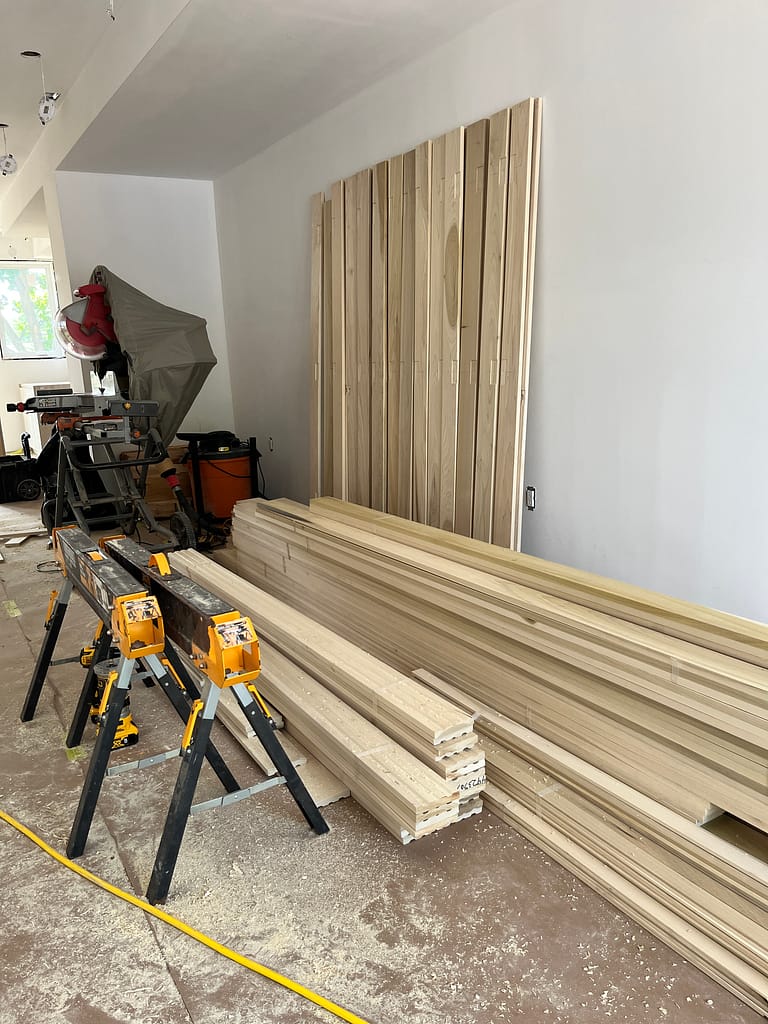
I once arrived at a job site where the contractor had already ordered the door jambs. The jambs were made for a standard 2×4 wall, so that’s why they were 4-9/16 inches. But the walls on site were framed with 2×6.
The material had arrived.
The schedule was moving.
Painters were already planned after the door and trim stage.
Luckily, the mistake was caught before the jambs were cut and installed. The material could be returned and replaced with the correct size.
But it still cost time.
And it created an uncomfortable moment for everyone.
This is exactly why a finish carpenter should be involved before the order is finalized, especially when the project includes multiple doors, custom jambs or non-standard wall conditions.
What a Finish Carpenter Can Check After Framing
When framing is complete and drywall has not started yet, a finish carpenter can check the details that will affect the final work.
For interior doors, that can include:
- rough opening width
- rough opening height
- wall thickness
- stud alignment
- plumb and square conditions
- header height
- whether the opening is consistent from top to bottom
- whether the planned door size actually works
- whether custom jambs or jamb extensions may be needed
- whether casing will have enough room
- whether baseboards and door trim will meet cleanly later
This is not about slowing down the project.
It is about preventing problems before they are buried.
If something is wrong at this stage, the framer can still correct it. The contractor can adjust the order. The finish carpenter can give practical advice before materials are purchased.
That is the cleanest time to fix the issue.
Why This Helps the Contractor Too
Calling a finish carpenter early is not only good for the carpenter.
It helps the contractor.
It reduces last-minute surprises. It protects the schedule. It helps avoid wrong door orders, wrong jamb sizes and awkward installation conditions. It also helps the final stage look cleaner because the finish work is not being forced into openings that were never prepared properly.
A good contractor cares about the handoff between trades.
Finish carpentry sits near the end of the project, but it depends heavily on the earlier stages.
Framing affects the doors.
Drywall affects the casing.
Flooring affects the baseboards.
Wall thickness affects the jambs.
If those details are checked early, the final stage becomes smoother for everyone.
Why I Offer This Check for Contractors I Work With
When I work regularly with a contractor, I prefer to visit the site after framing and before drywall.
I check the door openings, wall thickness, rough framing and the details that will affect the doors, jambs, casing and trim later.
I do not see this as a separate extra job.
I see it as part of doing the finish carpentry properly.
If I catch a problem early, I help the contractor. I help the homeowner. I also help myself, because the final installation becomes cleaner, faster and more predictable.
Everybody wins when problems are found before they are covered.
This is especially important for projects with multiple doors, custom jambs, basement openings, solid-core doors, full trim packages or tight renovation schedules.
The Best Time to Call
For contractors and builders, the best time to call a finish carpenter is:
After framing is complete.
Before drywall starts.
Before doors, jambs and trim are ordered.
At that stage, the finish carpenter can still check the openings, confirm wall thickness, review door sizes and point out anything that may create problems later.
The second best time is before materials are ordered.
The worst time is after everything has arrived and the site conditions do not match the order.
Finish Carpentry Is the Final Stage, But It Starts Earlier
Finish carpentry happens near the end of the project, but the success of the work is decided much earlier.
A clean door installation starts with a proper opening.
A clean casing detail starts with the wall and jamb condition.
A clean baseboard line depends on the floor, drywall and corners.
If those details are ignored until the final stage, the finish carpenter is left trying to solve problems that should have been corrected before drywall.
Good planning does not make the project fancy.
It makes the project smoother.
Working With Wood Job Finish Carpentry
Wood Job Finish Carpentry works with contractors, builders and renovators who care about the final details.
For projects involving interior doors, custom jambs, casing, baseboards, trim packages or renovation finishing, early review can help prevent problems before they affect the schedule.
If you are planning a project and framing is almost complete, send the drawings, door schedule, rough opening details and project location. Wood Job can review the finish carpentry side before the doors and trim are ordered.
Finish Carpentry for Contractors
Wood Job helps contractors, builders, and renovators complete the finishing stage with doors, trim packages, and punch-list finish carpentry.
Meet Jack Cenk Ozer
Learn more about the hands-on finish carpenter behind Wood Job Finish Carpentry and the personal craftsmanship behind the business.
Interior Door Installation
Interior doors, door replacement, hardware, hinge alignment, latch fitting, casing and clean door installation.
Finish Trim Carpentry
Door casing, window casing, baseboards, shoe moulding, trim repairs, custom jamb details and renovation finishing.
Photo-Based Rough Estimate
Send photos, measurements, project location and a short description of your small carpentry job.
Contractor Questions
When should a contractor call a finish carpenter?
The best time is after framing is complete and before drywall starts. This gives the finish carpenter a chance to check rough openings, wall thickness, door sizes and trim conditions before problems are covered.
Should doors be ordered before the finish carpenter checks the openings?
For simple projects, contractors may already know the correct sizes. But for custom homes, basements, renovations or multiple interior doors, it is safer to check the openings before ordering doors and jambs.
What can go wrong with interior door rough openings?
Openings can be too narrow, too short, out of plumb, inconsistent from top to bottom or framed for a different door size than planned. These issues can affect the jamb, casing, reveal, latch and final door operation.
Why does wall thickness matter for door jambs?
The jamb has to match the finished wall thickness. A jamb ordered for a 2×4 wall will not properly fit a 2×6 wall without correction. This mistake can delay the project and may require reordering material.
Can a finish carpenter help before drywall?
Yes. A finish carpenter can check rough openings, wall thickness, framing conditions and future trim details before drywall. This is often the best time to catch problems.
Do you work with contractors and builders?
Yes. Wood Job Finish Carpentry supports contractors, builders and renovators with interior doors, custom jambs, casing, baseboards, trim packages and final finish carpentry details.




